
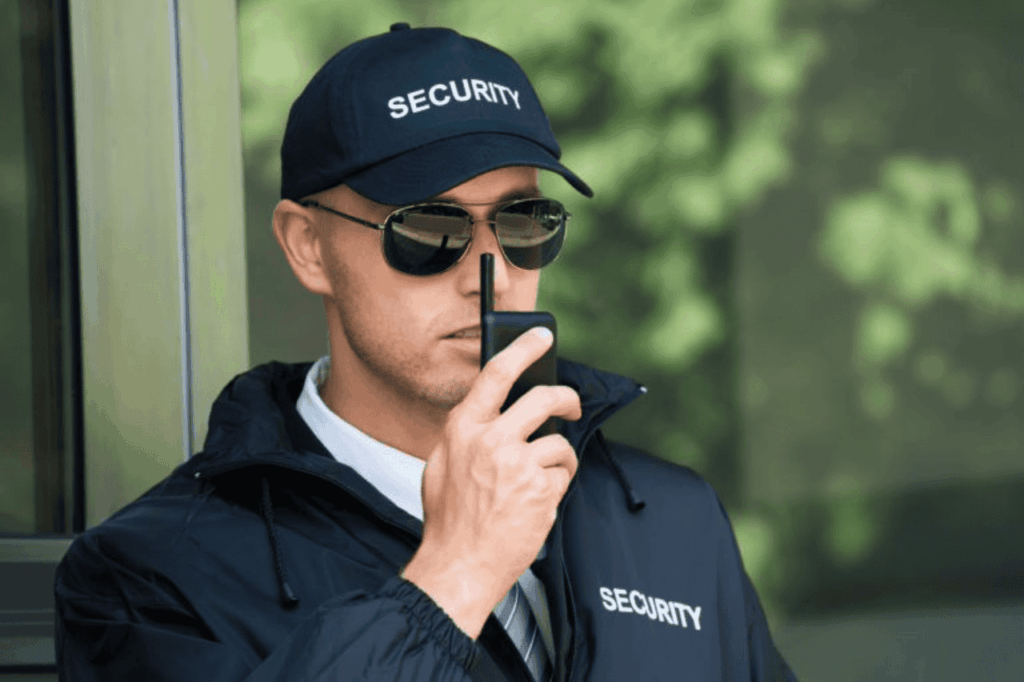
In the security industry, communication is the backbone of effective operations. Security personnel play a critical role in protecting people, property, and assets across a wide range of environments, frequently working under intense pressure and on a 24/7 basis. From commercial buildings and residential compounds to industrial facilities, events, and critical infrastructure, 24/7 surveillance teams rely on fast, reliable, and clear communication to perform their duties effectively.
Despite the availability of smartphones and digital messaging platforms, the walkie-talkie remains one of the most essential communication tools in the security industry. Its instant connectivity, durability, and independence from public networks make it uniquely suited to support continuous surveillance operations.
The Communication Demands of 24/7 Security Operations
Security teams operate in conditions where delays or miscommunication can lead to serious consequences. Common challenges faced by surveillance teams include:
- Monitoring large or multi-zone areas
- Coordinating patrols across multiple shifts
- Responding to incidents in real time
- Operating in locations with poor mobile signal
- Communicating during emergencies or high-noise situations
- Maintaining alertness and coordination during night shifts
Unlike office environments, security operations require tools that work instantly, consistently, and without failure. Walkie-talkies are designed specifically to meet these demands.
Why Walkie-Talkies Are Still Essential in the Security Industry
1. Instant Push-to-Talk Communication
One of the most critical advantages of walkie-talkies is push-to-talk (PTT) functionality. With a single button press, security personnel can immediately communicate with colleagues or supervisors. There is no need to dial numbers, wait for connections, or navigate mobile interfaces.
In situations such as detecting suspicious behavior, responding to alarms, or requesting backup, seconds matter. Walkie-talkies eliminate unnecessary delays, enabling faster decision-making and response.
2. Reliable Communication Without Network Dependency
Walkie-talkies operate on dedicated radio frequencies, meaning they do not rely on mobile networks or internet connectivity. This reliability is crucial for surveillance teams operating in:
- Underground car parks
- Industrial plants and warehouses
- Remote or restricted-access locations
- Large events where mobile networks may be congested
For 24/7 security operations, uninterrupted communication ensures continuity and reduces the risk of isolated personnel losing contact with the team.
3. Wide Coverage for Large and Complex Sites
Security personnel often patrol extensive areas such as campuses, shopping malls, factories, or residential townships. Designed for demanding environments, professional walkie-talkies ensure stable long-range communication, keeping teams connected across buildings, floors, and vast open spaces without interruption.
With the addition of repeaters or base stations, coverage can be extended further, ensuring seamless communication even at the furthest points of a site. This is particularly important for night patrols when visibility is limited and rapid support may be required.
Supporting Continuous Surveillance and Shift-Based Operations
1. Efficient Shift Handover Communication
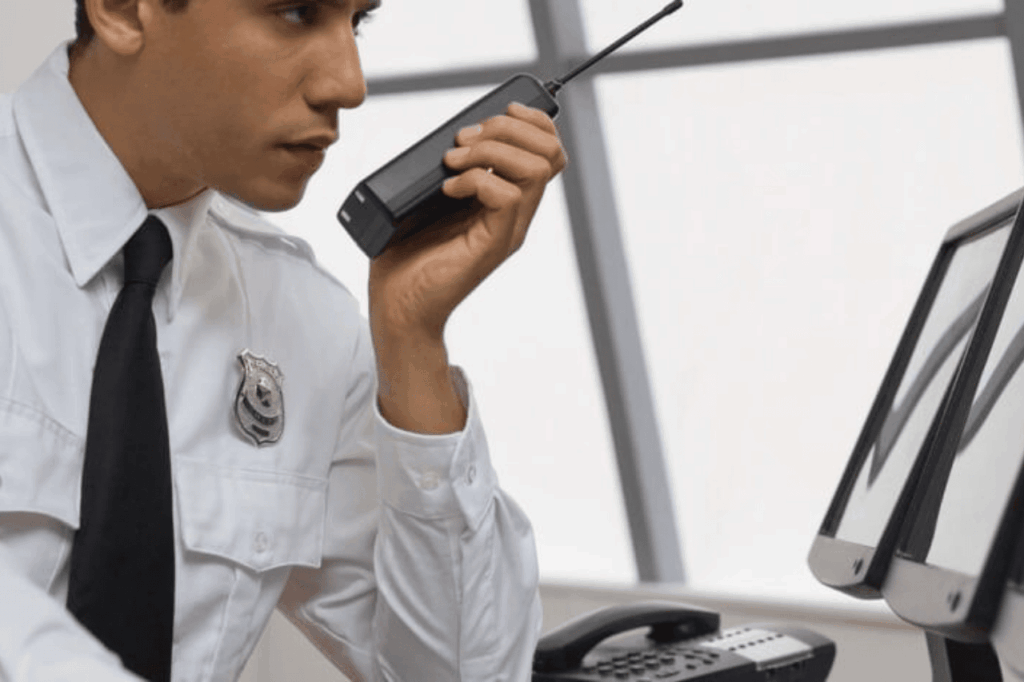
Security operations rely on smooth transitions between shifts. Walkie-talkies allow outgoing teams to brief incoming personnel efficiently, sharing real-time updates on incidents, patrol status, and potential risks. This ensures there are no gaps in surveillance coverage and maintains operational continuity.
2. Coordinated Team Response
Walkie-talkies enable group communication, allowing supervisors to issue instructions to multiple guards simultaneously. By assigning teams to specific channels based on zones, roles, or shifts, security operations achieve stronger coordination and reduced communication errors. In the event of an incident, such as unauthorized access or safety hazards, team members can be mobilized quickly and efficiently.
3. Improved Situational Awareness
Constant communication keeps security personnel informed of ongoing activities across the site. Updates shared via walkie-talkies help guards remain alert and aware of potential threats, even if they are stationed far from the incident location.
Key Features Security Teams Need in Walkie-Talkies
Not all walkie-talkies are suitable for professional security use. Surveillance teams should consider the following essential features:
1. Long Battery Life
Security personnel regularly operate through extended shifts, often exceeding 12 hours, especially in 24/7 surveillance environments.
Walkie-talkies with extended battery life or replaceable batteries ensure uninterrupted communication throughout the shift.
2. Clear Audio and Noise Cancellation
Security environments can be noisy, especially in industrial or event settings. Walkie-talkies with noise reduction and powerful speakers ensure messages are heard clearly, minimizing miscommunication.
3. Emergency Alert and Panic Buttons
Many professional radios include emergency alert functions that allow guards to send distress signals instantly. This feature is crucial in situations involving personal threats, accidents, or medical emergencies.
4. Multiple Channels and Privacy Codes
Multiple channels allow teams to separate communications by department, zone, or task. Privacy codes reduce interference from other radio users, ensuring secure and clear communication.
5. Durability and Weather Resistance
Security personnel often work outdoors or in harsh conditions. Walkie-talkies designed for professional use are typically dustproof, water-resistant, and impact-resistant, ensuring reliability in all weather conditions.
6. Digital and GPS-Enabled Capabilities
Advanced digital walkie-talkies may feature GPS tracking, text messaging, and seamless system integration to support more efficient operations. These features enhance supervision, accountability, and incident response planning.
Real-World Applications in the Security Industry
a. Commercial and Residential Security
In office buildings and residential complexes, walkie-talkies allow guards to coordinate access control, visitor management, and patrols efficiently. Immediate communication ensures faster response to alarms or tenant concerns.
b. Event and Crowd Control Security
Large events require constant coordination between entry points, crowd monitoring teams, and command centers. Walkie-talkies enable real-time updates and rapid deployment of personnel when situations escalate.
c. Industrial and Infrastructure Protection
Factories, power plants, and logistics hubs require constant surveillance across large and complex layouts. Walkie-talkies provide reliable communication even in areas where mobile signals are weak or unavailable.
Training and Best Practices for Effective Use
To maximize effectiveness, security teams should be trained in:
- Standard communication protocols and call signs
- Proper radio etiquette and message clarity
- Routine equipment and battery checks
- Emergency procedures and alert usage
- Channel management and interference avoidance
Proper training ensures that walkie-talkies enhance operations rather than become a source of confusion.
Conclusion
For the security industry, especially teams supporting 24/7 surveillance operations, walkie-talkies remain a vital communication tool. Their instant connectivity, reliability, and suitability for demanding environments make them indispensable for maintaining safety, coordination, and operational efficiency.
While technology continues to evolve, the fundamental need for fast and dependable communication remains unchanged. Walkie-talkies continue to meet this need, supporting security professionals in protecting people and assets—day and night, without interruption.