
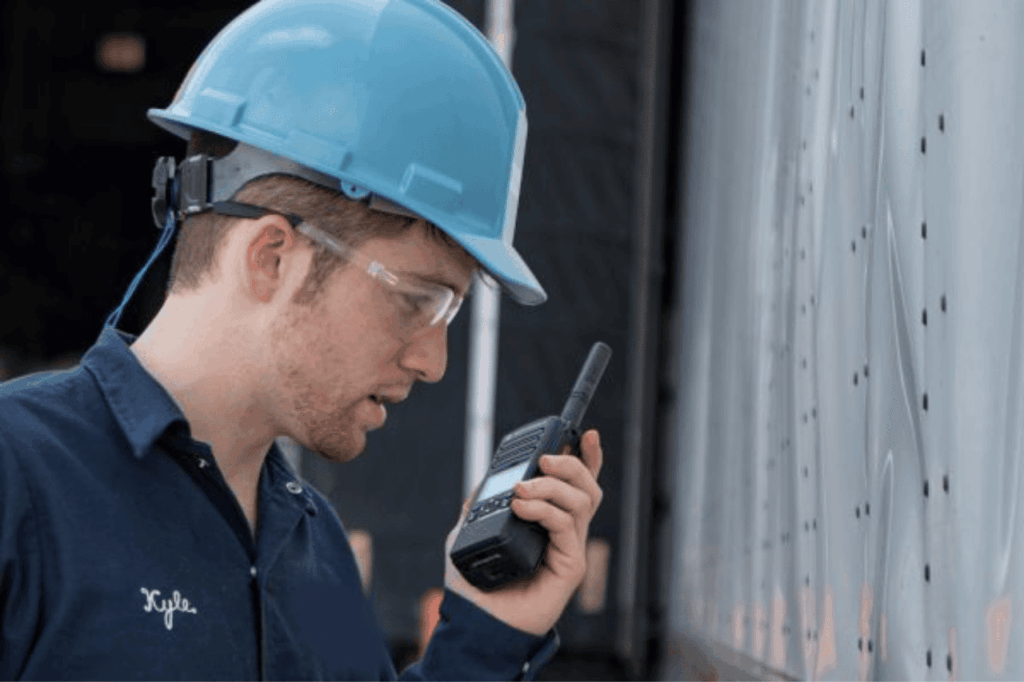
Effective communication is the backbone of safety, productivity, and operational efficiency on worksites. Construction sites, warehouses, event setups, and industrial facilities all rely on timely communication to coordinate tasks, respond to emergencies, and maintain workflow. In the modern, technology-driven workplace, mobile phones are widely perceived as the primary means of communication. However, long-range walkie-talkies remain a preferred choice for many worksites due to their reliability, durability, and cost-effectiveness.
This article examines the differences between long-range walkie-talkies and mobile phones, highlights their respective advantages and limitations, and offers guidance for choosing the most suitable communication solution for your worksite.
Understanding Long-Range Walkie-Talkies
Long-range walkie-talkies are two-way radio devices designed to provide instant voice communication over extended distances without relying on cellular networks. They operate on radio frequencies and can cover several kilometers depending on the model, terrain, and environmental conditions.
Key features of long-range walkie-talkies include:
- Instant Push-to-Talk (PTT): Enables instant communication with a single button, eliminating the need to dial.
- Durability: Rugged designs often include water, dust, and impact resistance.
- Group Communication: Ability to broadcast messages to multiple team members simultaneously.
- No Network Dependence: Functions independently of mobile networks, making them reliable in remote areas or during network outages.
These features make long-range walkie-talkies ideal for worksites where quick coordination and reliability are critical.
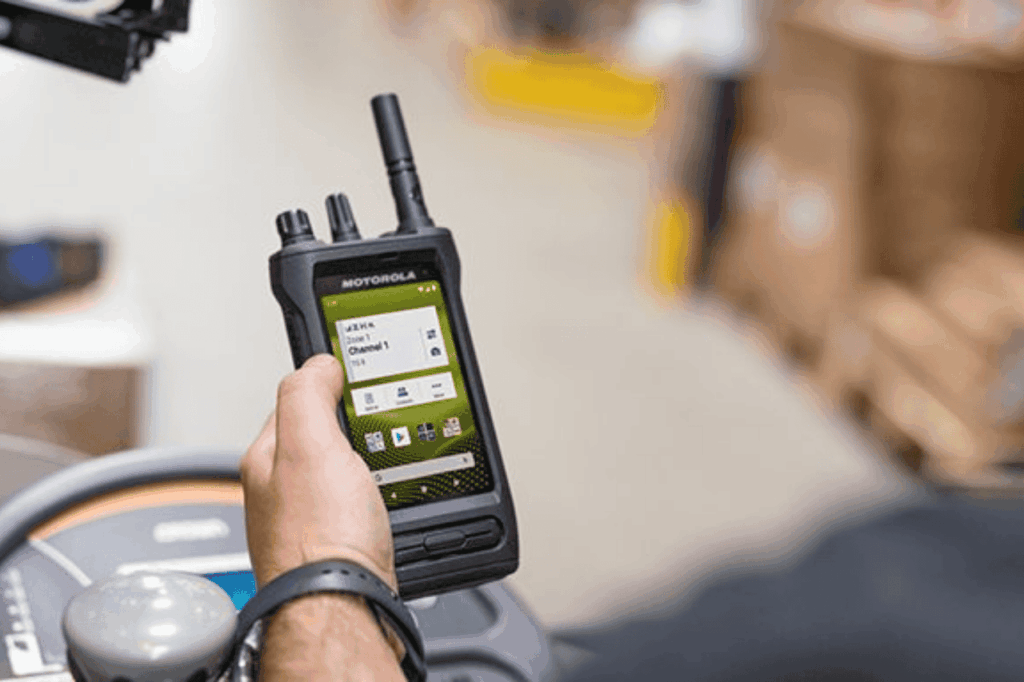
Advantages of Long-Range Walkie-Talkies on Worksites
1. Instant Communication
The push-to-talk feature enables instant voice transmission, eliminating the dialing delays and call connections associated with mobile phones. This is crucial during emergencies or time-sensitive operations.
2. Durability and Reliability
Walkie-talkies are built to withstand harsh conditions, including dust, moisture, and drops. Unlike mobile phones, they are less likely to fail due to environmental factors.
3. Cost-Effective Communication
For ongoing communication across a team, walkie-talkies are more economical. They don’t charge per call or data costs, and one device can reach multiple users without additional lines or plans.
4. Group Coordination
Walkie-talkies enable simultaneous communication with the entire team, ensuring everyone receives the same instructions in real time. Mobile phones, by contrast, require multiple calls or messaging, which can be slower and less efficient.
5. Independence from Networks
Walkie-talkies operate independently of cellular networks, which is beneficial in remote areas, underground sites, or locations with poor reception. They maintain connectivity where mobile phones might fail.
Understanding Mobile Phones
Mobile phones provide voice, text, and data communication through cellular networks and internet connectivity. Smartphones also offer email, messaging apps, GPS, and video conferencing capabilities, which can be beneficial for worksite management.
Key features of mobile phones include:
- Wide Functionality: Calls, emails, messaging apps, and productivity tools.
- Internet Connectivity: Access to cloud services, online documents, and project management tools.
- GPS Tracking: Location services for navigation and monitoring.
- Multi-Purpose Devices: Can serve as cameras, calculators, and access points for digital applications.
While mobile phones are versatile, their reliance on networks, battery life, and fragility can be drawbacks in demanding worksite environments.
Advantages of Mobile Phones on Worksites
1. Versatility
Mobile phones support multiple functions beyond communication, such as document sharing, email correspondence, and project management applications.
2. Remote Connectivity
Through mobile networks or Wi-Fi, team members can communicate even when dispersed across different locations or working remotely.
3. Multimedia Capabilities
Mobile phones allow sharing of images, videos, and real-time updates, which can enhance documentation, reporting, and project monitoring.
4. Convenience
Most workers already carry mobile phones, reducing the need for additional equipment. Mobile phones also integrate seamlessly with other digital tools used for worksite management.
Limitations of Each Communication Tool
While both tools offer advantages, they also have limitations on worksites:
Long Range Walkie Talkies:
- Limited to voice communication; cannot send images, videos, or emails.
- Requires separate devices for each team member.
- Range may be affected by terrain, buildings, and interference from other electronics.
Mobile Phones:
- Reliance on cellular or Wi-Fi networks; weak signal areas reduce reliability.
- Fragile devices are prone to damage from dust, moisture, or impact.
- Communication costs may increase with frequent calls or data usage.
- Less efficient for broadcasting to multiple team members simultaneously.
Understanding these limitations helps in selecting the right communication tool for your worksite.
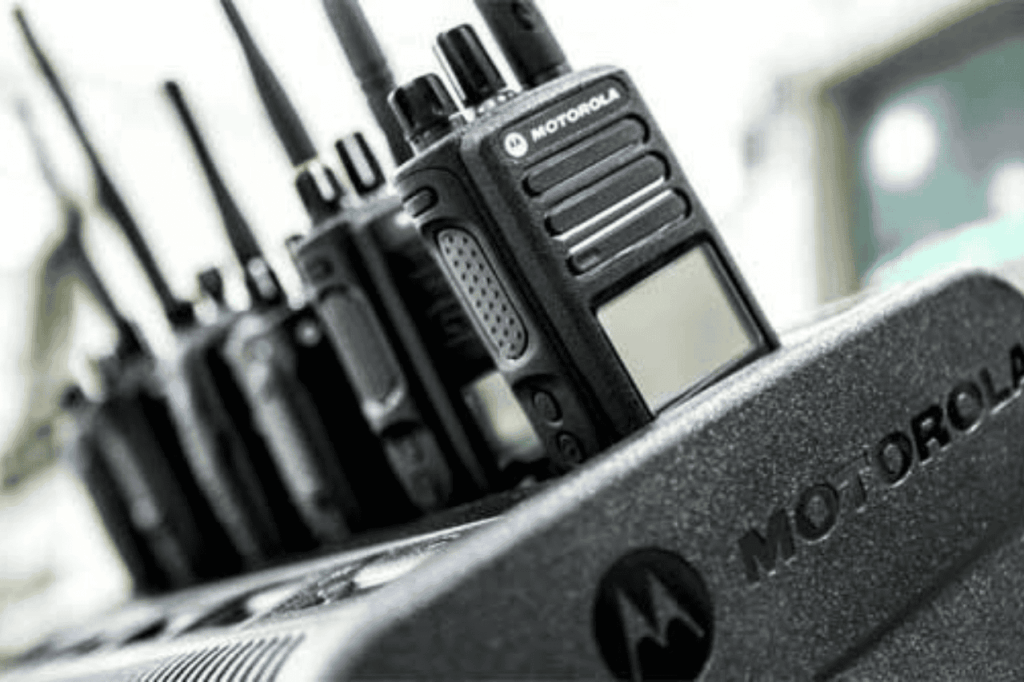
When to Choose Long-Range Walkie-Talkies
Long-range walkie-talkies are generally better suited for:
- Large worksites with multiple teams requiring instant communication.
- Remote or outdoor locations with limited network coverage.
- Environments where durability and ruggedness are essential, such as construction sites, mines, or industrial plants.
- The situation requires group coordination and real-time security monitoring.
Walkie-talkies excel in operational efficiency, safety compliance, and cost-effectiveness for high-demand worksite communication.
When Mobile Phones Are Advantageous
Mobile phones are preferable when:
- Digital communication and data sharing are essential.
- Team members work remotely or in multiple dispersed locations.
- Multimedia communication is required, such as photos, videos, or GPS tracking.
- Integration with project management, reporting, or cloud-based applications is necessary.
Incorporating mobile phones into worksite operations can enhance flexibility and administrative efficiency.
Combining Both Solutions
Many work sites benefit from using both long-range walkie-talkies and mobile phones. This hybrid approach provides:
- Reliable instant voice communication through walkie-talkies for on-site coordination.
- Data, multimedia, and remote connectivity through mobile phones for reporting, documentation, and management tasks.
A combined system ensures both operational efficiency and administrative flexibility, reducing the risk of communication breakdowns and improving overall productivity.
Key Considerations for Worksite Communication
When choosing between long-range walkie-talkies and mobile phones, or deciding to use both, consider the following factors:
- Worksite Size and Layout: Larger sites may require walkie-talkies for extended range and group communication.
- Environmental Conditions: Dust, moisture and impact resistance are important on industrial and outdoor work sites.
- Communication Needs: Evaluate whether instant voice communication, multimedia sharing, or remote access is the priority.
- Budget and Cost Efficiency: Factor in device costs, service plans, and maintenance.
- Safety Requirements: Ensure reliable communication tools for emergencies and compliance with occupational safety regulations.
Careful assessment ensures an optimal communication strategy, enhancing safety, efficiency, and productivity.
Conclusion
Choosing between long-range walkie-talkies and mobile phones depends on the specific requirements of your worksite. Long-range walkie-talkies excel in durability, instant voice communication, group coordination, and reliability in remote or network-limited environments. Mobile phones offer versatility, digital connectivity, multimedia sharing, and administrative convenience.
For many worksites, the most effective solution is a combination of both tools, leveraging the strengths of each to meet operational, safety, and productivity needs. By understanding the advantages, limitations, and ideal applications of walkie-talkies and mobile phones, worksite managers can make informed decisions that enhance communication, reduce risks, and improve overall efficiency.
In an era where efficient communication is critical for safety and success, selecting the right tools—whether walkie-talkies, mobile phones, or a hybrid system—ensures that your workforce remains connected, informed, and productive.