
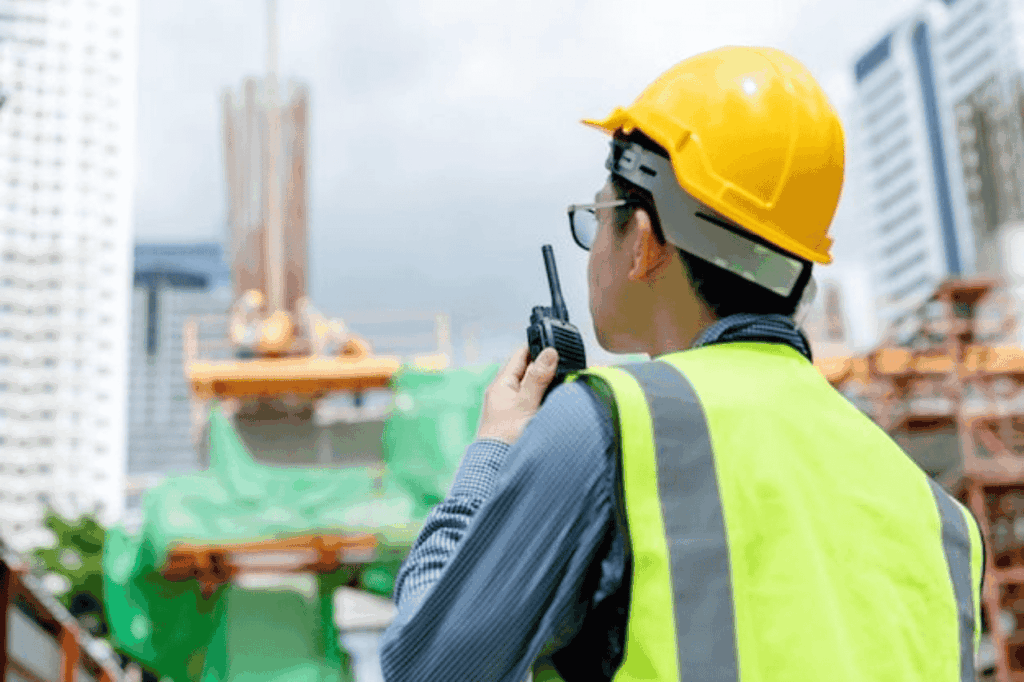
Effective communication is essential in the construction industry, where delays, miscoordination and safety hazards can lead to disastrous consequences. On busy worksites, where teams are spread across large areas and environmental noise is high, reliable communication tools are essential. Long-range walkie-talkies have proven to be one of the most efficient solutions for construction sites, offering instant connectivity, durability, and cost-effective communication.
This article explores the benefits of walkie-talkies in the construction industry, how they reduce delays and safety risks, as well as key considerations for choosing the right device for your job site.
The Importance of Communication on Construction Sites
Construction projects involve multiple teams, including engineers, architects, contractors, equipment operators, and laborers. Coordination between these groups is critical for:
- Scheduling tasks efficiently.
- Preventing misunderstandings that lead to errors.
- Ensuring compliance with safety regulations.
- Responding quickly to emergencies.
Traditional communication methods, such as mobile phones or face-to-face instructions, often fall short on busy, expansive construction sites. Mobile networks may be unreliable in remote areas, and phone calls can delay critical instructions. However, walkie-talkies provide an immediate, reliable and adaptable solution for harsh jobsite environments.
How Walkie-Talkies Reduce Delays
1. Instant Communication
Walkie-talkies allow workers to communicate instantly using a push-to-talk (PTT) feature. Unlike mobile phones, there’s no dialing, waiting for a connection, or busy lines. Immediate communication helps teams coordinate tasks efficiently, reducing downtime and preventing bottlenecks in workflow.
2. Group Coordination
With walkie-talkies, messages can be broadcast to multiple team members simultaneously. Supervisors can communicate instructions to the entire crew at once, avoiding repeated phone calls and ensuring everyone receives the same information in real time.
3. Clear Communication in Noisy Environments
Modern walkie-talkies are designed for high-traffic, noisy environments. Noise-canceling features, high-volume speakers, and clear audio transmission allow workers to hear and respond accurately, minimizing misunderstandings that could lead to delays.
4. Network Independence
Unlike mobile phones, walkie-talkies do not rely on cellular networks. This independence ensures uninterrupted communication even in remote construction sites, underground locations, or areas with weak signal coverage.
How Walkie-Talkies Improve Safety
1. Immediate Emergency Response
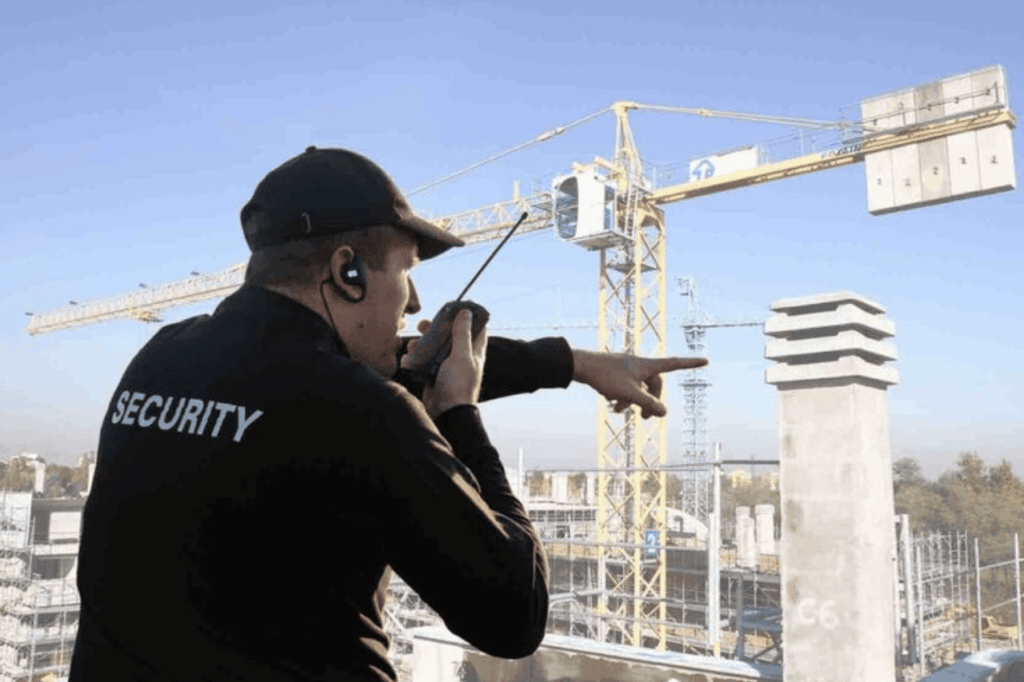
Construction sites are prone to accidents and safety incidents. Walkie-talkies allow workers to report emergencies instantly and alert safety personnel immediately. Quick response can prevent minor incidents from escalating and save lives.
2. Hazard Warnings and Alerts
Supervisors can broadcast real-time hazard warnings, such as falling debris, equipment malfunctions, or dangerous weather conditions. These alerts help workers take timely precautions and reduce workplace injuries.
3. Reliable Communication for Safety Protocols
Walkie-talkies support routine safety checks, equipment inspections, and compliance with occupational safety standards. Teams can coordinate safety training or ensure compliance with protocols efficiently.
4. Durable and Worksite-Ready Design
Construction environments are harsh, with dust, debris, water, and rough handling. Walkie-talkies are rugged, resistant to impact, water, and dust, ensuring that safety communication remains uninterrupted even in challenging conditions.
Key Features of Walkie-Talkies for Construction
When selecting walkie-talkies for construction sites, it’s important to consider the following features:
- Range: Choose devices that cover the entire worksite, accounting for terrain, buildings, and obstacles.
- Durability: Devices should be rugged, water-resistant, and capable of withstanding drops and rough handling.
- Battery Life: Long-lasting batteries ensure communication throughout extended shifts without interruptions.
- Noise Reduction: Noise-canceling microphones and high-volume speakers enhance clarity in loud environments.
- Group Channels: Multiple channels allow different teams to communicate without interference.
- Emergency Features: Alert buttons, priority channels, and hands-free options increase safety and responsiveness.
By choosing walkie-talkies with these features, construction companies can enhance efficiency, maintain safety, and minimize risks of project delays.
Cost Efficiency Compared to Mobile Phones
Walkie-talkies provide a cost-effective communication solution for construction sites:
- No Call Charges: Communication is instant and does not incur additional costs for calls or data.
- Low Maintenance: Rugged devices require minimal repairs or replacements compared to damaged smartphones.
- Multi-User Communication: One device can reach multiple team members simultaneously, reducing the need for multiple phone lines.
For ongoing construction projects with large teams, walkie-talkies offer a financial advantage while ensuring reliable communication.
Use Cases in Construction Projects
1. Large-Scale Projects
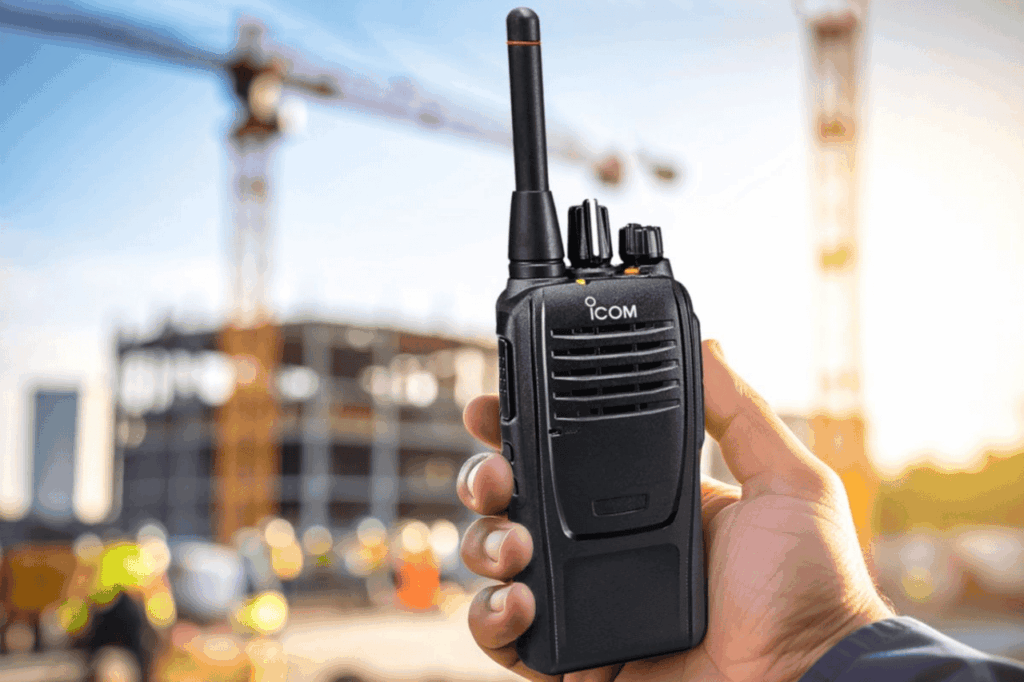
On sites such as high-rise buildings, bridges, or industrial plants, teams are often spread over large areas. Walkie-talkies provide instant coordination across distances, preventing delays and ensuring tasks are completed on schedule.
2. Remote or Outdoor Sites
Projects in remote locations, mines, or undeveloped areas often have limited cellular coverage. Walkie-talkies operate independently of mobile networks, maintaining uninterrupted communication.
3. Equipment and Vehicle Coordination
Construction equipment and vehicle operators need constant communication with ground personnel. Walkie-talkies allow real-time coordination for moving machinery, deliveries, and logistics, reducing accidents and improving workflow.
4. Safety Drills and Compliance
Safety officers can conduct drills, issue hazard alerts, and monitor compliance efficiently using walkie-talkies. Quick dissemination of instructions ensures adherence to safety protocols.
Tips for Effective Walkie-Talkie Use
To maximize the benefits of walkie-talkies on construction sites:
- Train Your Team: Ensure workers know how to operate the devices, switch channels, and use emergency features.
- Plan Communication Channels: Assign channels to specific teams to reduce interference.
- Regularly Test Equipment: Check battery levels, signal range, and device functionality.
- Integrate with Safety Protocols: Include walkie-talkie usage in emergency and operational procedures.
- Maintain Devices Properly: Clean, charge, and store devices correctly to extend lifespan.
Proper training and maintenance ensure reliable performance and consistent communication throughout construction projects.
Conclusion
Walkie-talkies remain an essential communication tool for the construction industry, helping reduce delays, improve coordination, and mitigate safety risks. Their instant push-to-talk functionality, durability, network independence, and group communication capabilities make them highly suitable for demanding construction environments.
While mobile phones have their place for administrative tasks, multimedia sharing, and remote connectivity, walkie-talkies excel in operational efficiency, on-site safety, and cost-effectiveness. Construction companies that invest in high-quality walkie-talkies and train their teams to use them effectively can minimize delays, enhance safety, and ensure projects run smoothly.
In an industry where every minute and every safety measure matters, reliable communication tools like walkie-talkies are indispensable for successful, safe, and timely project completion.